From Private Rooms to Public Casino Floors
Casino history traces how resorts, licensing, and changing leisure habits reshaped gambling rooms into recognizable public entertainment venues.
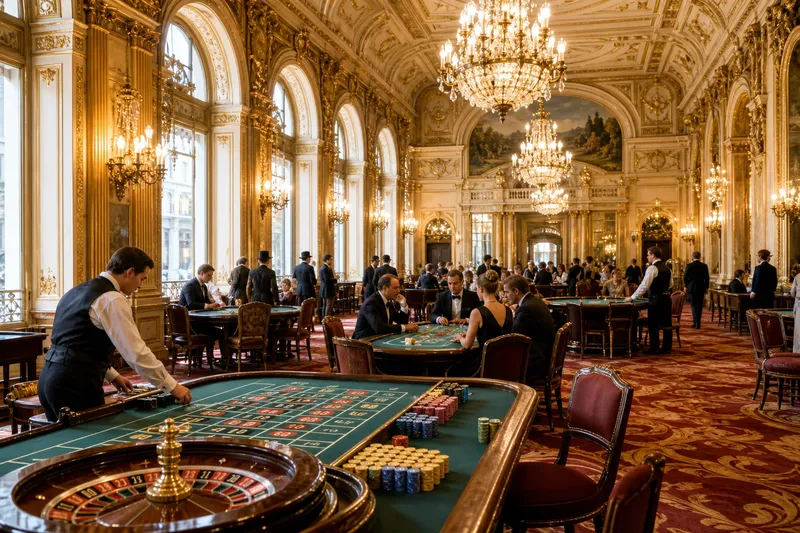
How did casino history turn a room for selected guests into a public entertainment floor? The change took different forms across Europe and the United States, shaped by local laws, travel, and ideas about leisure. It was not a single march toward openness; it was also a change in how gambling venues fit into town life.
Early casinos belonged to particular social settings
Before “casino” became strongly associated with gambling venues, the word was used in Italy for a small house or place for social activity. Its meaning shifted over time and varied by region, so it is safer to treat the word’s history as a changing usage rather than a single, universal origin story.
Many early gambling rooms operated within settings that already had boundaries, such as clubs, private assemblies, resorts, or licensed houses. An invitation, a fee, a dress expectation, or a reputation could shape entry. People might come to converse and play, but they entered a particular social world, not a neutral public hall.
Think of a neighborhood hall rented for a private gathering: the building may be easy to identify, yet the event still has its own door policy. Early gambling venues differed from one another, but that distinction between a known place and unrestricted admission helps explain their social role.
Licensing made gambling venues easier to identify
As some governments and towns licensed gambling establishments, those venues could operate more openly than clandestine rooms. A license gave authorities a way to set conditions, while a named address and public-facing entrance made the business recognizable to visitors. These arrangements differed substantially across jurisdictions and periods.
Legal recognition did not settle public opinion. Gambling could remain controversial, and local officials could change rules or prohibit particular forms of play. A venue’s grand façade or advertisement, by itself, says little about whether its operation was lawful in a specific place and time.
Publicity also changed the way a casino could be discussed. It might appear alongside hotels, theaters, or other leisure businesses in a destination’s public life. That made gambling more visible as an organized activity, without making every venue socially or legally accessible to every person.
Spa resorts made gambling part of a broader visit
In European resort towns, gambling could sit alongside bathing, concerts, dining, and seasonal social events. Baden-Baden in Germany became known as a spa destination, and its casino was part of the town’s resort culture. This example shows how gambling could be presented within a larger itinerary, rather than as the sole purpose of a visit; it does not describe every European casino or every period.
The surrounding town helped shape the experience. Hotels, promenades, and performance spaces gave visitors ways to spend time beyond the gaming room. A traveler might arrive for the spa and encounter gambling as one element of organized leisure.
That resort setting also influenced how the venue presented itself. Formal rooms and cultivated social customs could appeal to visitors seeking a particular kind of outing. The venue’s image depended on its local audience and conventions, not just on the games it offered.
Public floors changed how visitors encountered the games
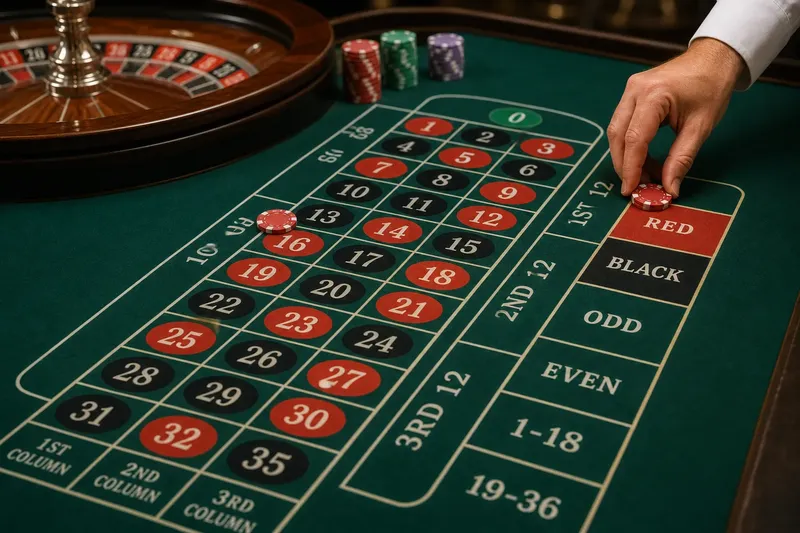
A larger, arranged floor could make a casino easier to read for a newcomer. Tables, seating, service points, and routes through the room gave visitors visible cues about how the space worked. Staff and signs could help explain practical details that regulars might already know.
Visitors could watch a table before deciding whether to join, or move between games and other amenities. The room became a social setting as well as a place to wager. Like a busy train station, it organized movement among people who might never speak to one another.
Design choices carried a message. Lighting, décor, uniforms, entrances, and dining areas could make a venue feel formal, theatrical, relaxed, or restrained. Those choices helped establish an identity, but they did not tell the whole story of who could enter or what rules applied.
Las Vegas developed a destination-style casino
Las Vegas became closely associated with a model that brought gambling together with lodging, dining, and live entertainment. In this setting, a resort could market itself as a destination, giving guests reasons to stay on the property beyond the gaming floor. The model made the casino part of a larger leisure complex.
This differs from the spa-town pattern. In Baden-Baden, gambling formed part of a resort identity built around the town and its amenities; in Las Vegas, the resort property itself could gather many attractions under one roof. Neither example stands for every casino. Local history, policy, and business choices produced different forms in different places.
Casinos did not all adopt the same scale or style. Some venues emphasized a low-key presence, while others used conspicuous architecture and entertainment to attract attention. The contrast is a reminder that the public image of gambling was shaped locally, not by one universal design path.
Rules and customs shaped admission in different ways
Regulation could address licensing, operating conditions, eligible patrons, hours, or permitted games. The details depended on jurisdiction and period. In the United States, for example, Nevada legalized casino gambling in the twentieth century, while other states followed different legal paths. That broad contrast does not replace checking the rules that applied in a particular place and time.
Formal admission requirements were only part of the experience. Expense, dress, location, and unfamiliar customs could also affect whether a visitor felt comfortable entering. These factors varied by venue, so a public advertisement should not be treated as evidence that access was effortless or universal.
For a historical comparison, separate three questions: Was the venue licensed? Who was formally eligible to enter? What did the venue offer beyond gambling? Keeping those questions apart makes it easier to compare a club, a spa casino, and a resort complex without treating them as the same institution.
Questions about the shift from private rooms to public floors?
Did public casinos make gambling socially acceptable?
Greater visibility could make gambling easier to discuss as organized leisure, but it did not end disagreement. Religious beliefs, local politics, class expectations, and concerns about gambling’s effects continued to shape opinion.
Were early casinos open to everyone?
No single answer covers every place, but many venues had boundaries such as invitations, fees, dress expectations, or formal rules. Their public reputation did not necessarily mean anyone could enter.
Why did resort casinos offer activities beyond gambling?
Dining, concerts, bathing, and lodging could make a visit appealing to people with varied interests. The mix depended on the destination and period, and it helped place gambling within a broader leisure setting.
What can a casino’s architecture tell us?
Architecture can suggest how a venue wanted to be seen: modest, formal, theatrical, or grand. To understand its actual role, pair that visual evidence with local laws, admission customs, and the activities offered there.
Compare venues by their setting and purpose
Imagine a historian comparing two invented venues: a members’ gambling room in a European spa town and a resort casino in an American city. The first venue’s starting point is a limited guest list and a town known for bathing and social visits; the second begins as a property offering rooms, meals, shows, and gambling. The historian checks local licensing records and contemporary descriptions, then notes who could enter and what else guests could do. The resulting comparison is not simply “private versus public”: it shows how one venue centered on a selected social circle while the other packaged gambling within a broader destination.
Casino history becomes clearer when the venue is placed beside its town, rules, and audience. For casino history, the useful questions are concrete: what activities shared the space, how admission worked, and what local conditions made that form of entertainment possible. Those details explain more than a building’s appearance alone.