How to Read a Casino Scene in a Film
Use this casino scene film checklist to see how framing, sound, and editing shape a scene’s mood, while keeping cinematic storytelling distinct from real play.
What does a casino scene want you to feel before anyone places a bet? A casino scene film checklist can help you spot how the camera, soundtrack, and editing steer your attention. It can also keep a tense movie moment from looking like a lesson about real gambling.
Watch once for the story. Then replay the scene and follow one character’s experience. You do not need to know every game’s rules. Look for the information the film gives you, and the information it withholds.
Start with what changes in the story
Ask what the casino is doing for the plot. It might bring characters together, offer someone a place to hide, or put a relationship under pressure. The setting matters most when it changes what a character can do or what another person learns.
Notice the transition into the room. A cut from a quiet hallway to a crowded floor can make the space feel overwhelming. A slow entrance through a private doorway can suggest control or privilege. The contrast helps establish the scene’s mood before the game begins.
By the end, has someone revealed a fear, made an ally, or lost composure? That change gives the setting a job beyond looking glamorous. The casino becomes the place where the story’s pressure shows.
Follow the camera’s attention
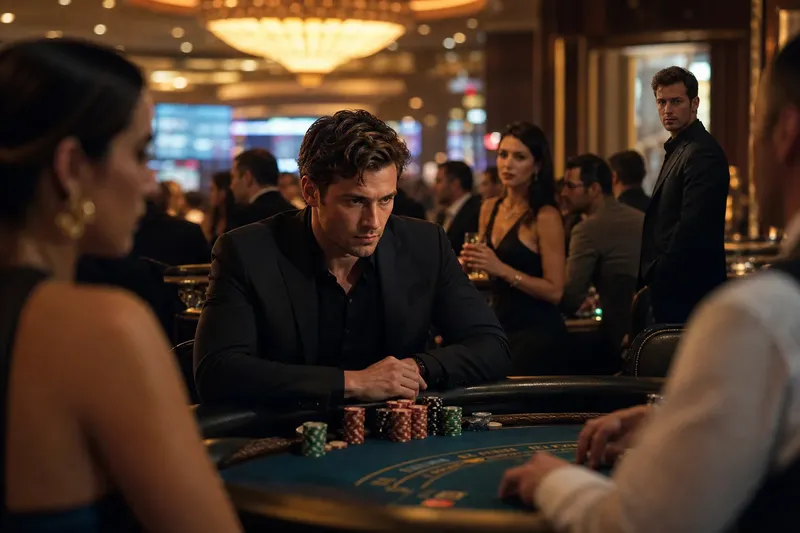
A wide shot can place a character amid tables and movement. A close-up of a hand or face can make one small gesture seem decisive. The frame works like a spotlight: it makes one part of a busy room feel like the whole story.
Also notice what stays outside the frame. If the film shows a player’s expression but not the table, it may want you to share their uncertainty. If it cuts between a dealer’s hands and another character’s eyes, it creates a contest of attention. Neither choice explains how the game works beyond the scene.
Camera movement adds another cue. A smooth glide can make the room seem controlled; a restless handheld view can make it feel unstable. Ask whose perspective the camera follows. Staying beside one character limits what you know, while moving freely can reveal information they cannot see.
Listen for changes in the soundtrack
On a replay, listen beneath the dialogue for conversation, footsteps, chips, music, or silence. Then notice which sounds become prominent. A brief clatter can feel significant if the soundtrack quiets everything around it.
Some sounds belong to the room; others are added to shape your response. Music may tighten the mood while the visible action stays calm. A pause in the score can make a glance feel loaded. The soundtrack tells you how to read the moment, not whether a particular move matters in real play.
Dialogue has its own place in the mix. A clearly audible remark can seem important while blurred voices make the speaker feel isolated. Ask whether the words explain the game, reveal a relationship, or simply set the tone.
Read the room as a designed setting
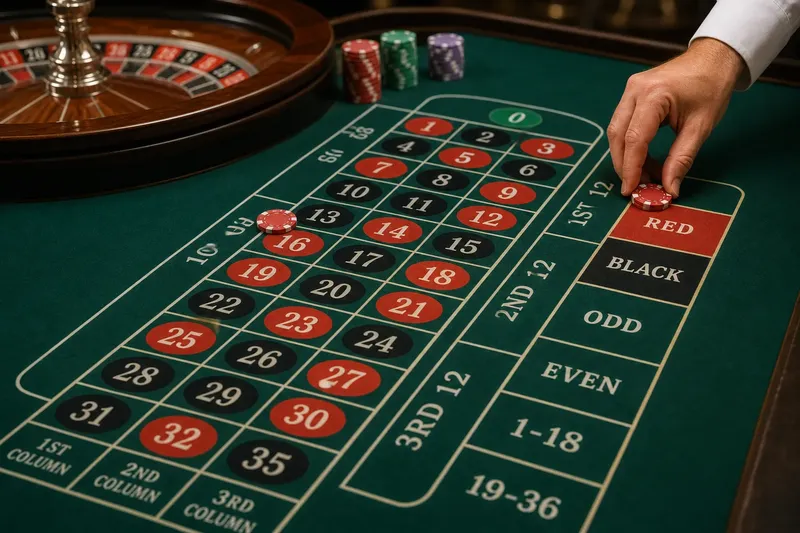
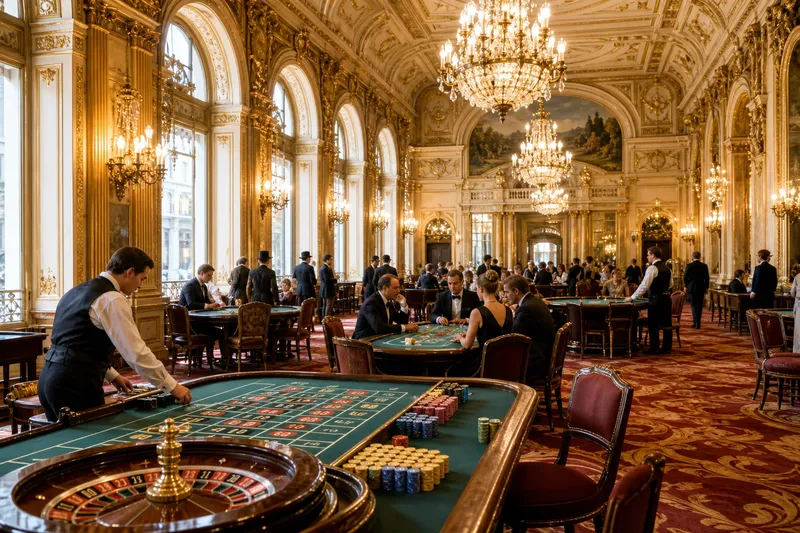
Look at the tables, lighting, signs, clothing, and paths through the room. A film may use these details to distinguish a crowded public floor from a quiet private space. They help create a social world, but they do not provide a complete account of a real venue.
Costume and posture shape first impressions, too. Someone standing apart may seem powerful, uncomfortable, or both. Check how other characters respond before deciding what the film wants you to think.
Pay attention to selection and omission. A bright central table may get repeated attention while the rest of the room stays indistinct. That focus can turn a location into a symbol of status or temptation, rather than a fully observed place.
See how editing creates suspense
Track the cuts. A scene might move from a player’s face to a table detail and back, or hold on a reaction longer than the action that prompted it. That order can make a brief event feel decisive even when the film leaves out context.
Quick cuts can build urgency; a long take can make you sit with discomfort. A delayed reveal may create suspense without explaining the game. Ask whether you can tell what happened and what changed, or whether the scene relies mainly on charged looks and sound.
Imagine an invented scene: a newcomer sits at a crowded table while a friend waits across the room. The camera shows the newcomer’s stiff hands, then the friend glancing toward the exit; the crowd fades beneath a low musical note. Those choices may make you read the moment as a test of nerve and loyalty. They do not tell a real player what to do.
Use this casino scene film checklist
After watching, write down a specific observation for each item. Follow the decision attached to what you notice; if the result is unclear, replay that moment rather than guessing.
- Opening view: Check whether the first shot shows the whole room or only one character’s view. If the room is visible, decide whether the scene emphasizes scale; if it is not, replay the entrance to see how limited perspective creates uncertainty.
- Camera focus: Check which face, hand, or object gets a close-up. If one detail dominates, identify what the film wants you to treat as important; if no detail stands out, consider whether the scene’s effect comes from the wider setting.
- Sound layers: Check what you hear beneath the dialogue and when it changes. If music or room noise swells, note the mood it adds; if the soundtrack stays quiet, consider whether that restraint makes the action feel exposed.
- Room details: Check which signs, lights, clothing, or furnishings are clearly shown. If a detail is repeated, connect it to the scene’s social atmosphere; if few details appear, treat the setting as background rather than a detailed portrait.
- Editing rhythm: Check whether cuts hurry, linger, or delay information. If the sequence withholds an action, decide whether suspense depends on uncertainty; if the action is clear, focus on how the reaction shapes its meaning.
- Character reactions: Check who watches whom and whose response receives the longest attention. If a reaction is emphasized, consider whether the scene is about a relationship or public image; if reactions are absent, focus on the physical action the film does show.
- Omitted information: Check whether the film hides part of the table, room, or sequence of events. If something important is missing, avoid treating the scene as an explanation; if the sequence is clear, distinguish its storytelling from instruction about real play.
Say you replay an invented scene and note that the camera never shows the full table, the music grows louder during a player’s pause, and a friend keeps watching from the doorway. First, you mark the missing table view as a source of uncertainty. Next, you connect the rising music to suspense, not to the game’s rules. Finally, you decide that the friend’s repeated glance makes the relationship part of the scene’s focus. Your reading is that the film builds tension through withheld information and social pressure; the tradeoff is that you learn little about how the game itself works.
What can a casino scene tell you?
Why do casino scenes feel tense?
Filmmakers combine framing, sound, editing, and character reactions to make a moment feel consequential. The game itself may remain unexplained.
Are casino scenes realistic?
Some details may resemble familiar public spaces, while others are arranged for clarity, spectacle, or plot. Treat the scene as a crafted portrayal, not a reliable account of a venue or game.
Can a movie teach me how to gamble?
A scene may show equipment or use game terminology, but editing can omit context and reshape events for drama. Treat it as storytelling, not instruction for real play.
What should I notice on a first watch?
Follow the character whose feelings anchor the scene, then notice what the camera and soundtrack emphasize. On a later viewing, look at the editing and room details that shaped your first impression.
Keep cinematic atmosphere separate from real play
A casino scene is assembled from choices. Framing can isolate a character, music can turn a pause into a warning, and polished surfaces can suggest wealth or control. Those effects may be memorable without explaining odds, rules, or ordinary gambling.
If a scene makes a game look effortless or inevitable, remember that performance and editing shaped that impression. Real decisions about gambling should not rest on a dramatic sequence.
For a sharper reading of a casino scene in a film, return to one moment and ask what the camera shows, what the soundtrack adds, and what the edit leaves out. The phrase casino scene film checklist is useful here as a prompt for observation, not a verdict on how real play works.